Lectron
How Modular A/B Testing Drove a 17% Conversion Lift for Lectron
Lectron manufactures EV charging adapters, portable chargers and charging stations, selling direct-to-consumer on Shopify alongside a large OEM business. Lantern Sol has run their conversion program since September 2025 — and moving from full-page redesigns to single-element A/B tests delivered a +17% desktop conversion lift and 25+ new storefront pages.
Needs
Industry
Thank you for the team’s hard work and continued efforts on our site recently. We appreciate the support.
Results
Every figure below is tied to a specific test or build, with the period it covers.
Desktop Conversion Lift
+17%
PDP bundle test · 5–18 May 2026
Desktop Conversion Lift
+14%
US & Canada PDP form test · Aug 2026
Pages Designed & Built
25
Sep 2025 – Sep 2026
Checkout Completion at Baseline
52.03%
Sep 2025, engagement start
Desktop PageSpeed Score
90+
confirmed green, Sep 2026
Lectron is an EV charging brand that makes adapters, portable chargers and Level 2 charging stations. It began in the Amazon aftermarket and now sells through Best Buy, Home Depot, Lowe’s, AutoZone and Advance Auto, while supplying several of the world’s largest automakers as an OEM partner. Its direct-to-consumer storefront runs on Shopify at ev-lectron.com — the smaller side of the business, but the strategically important one: higher margin, it owns the customer relationship, and it doubles as a shop window for the B2B side.
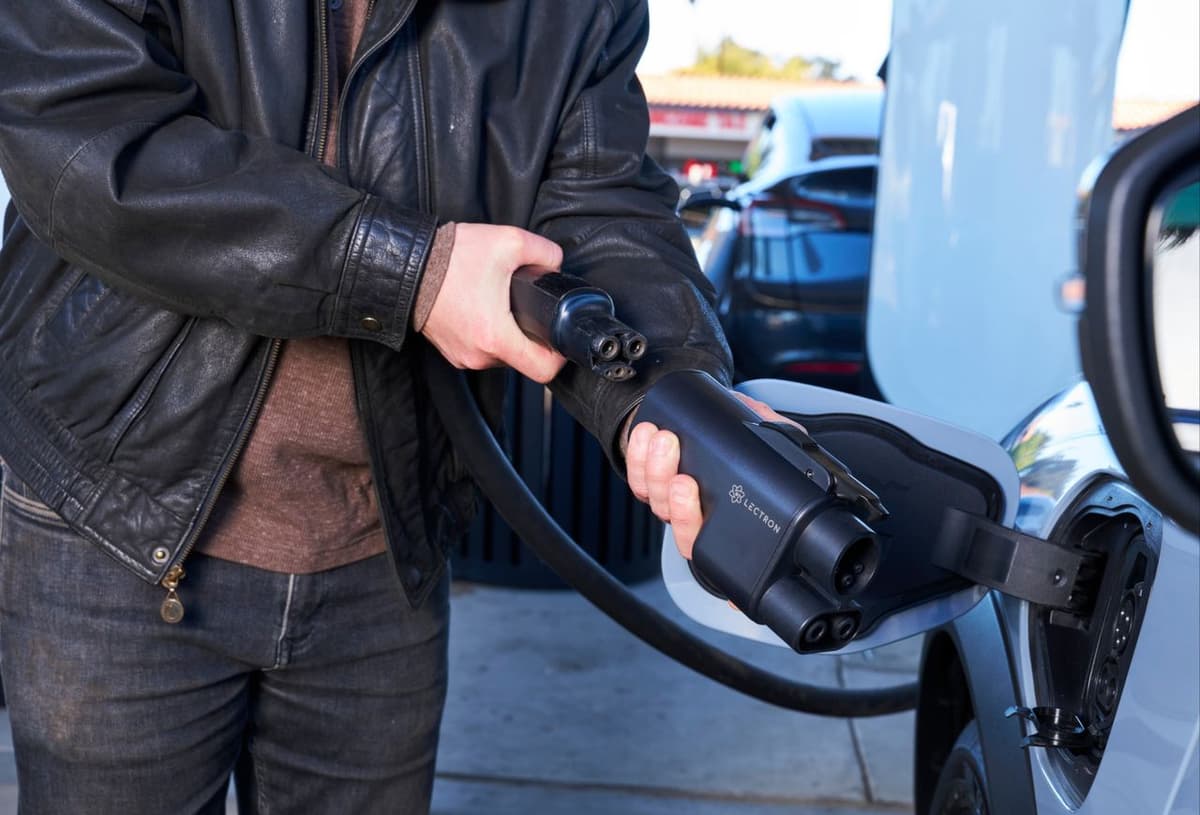
Lectron had traffic. Their paid media agency was driving volume through Google and Meta, and they held roughly half a million customer email addresses. What they didn’t have was a storefront that converted at the level their category demanded. Christopher M., Lectron’s founder and CEO, put it plainly: “The website has been stuck in the past… we’re looking for somebody with really deep expertise to make the website as good as the company is.”
The numbers matched the diagnosis. Site conversion sat around 2.15%, against a category benchmark closer to 2.5–3.0% — and the average hid the real problem. 72.9% of traffic arrived on mobile, and mobile converted at 1.64% against desktop at 3.65%. The funnel had an unusual shape: 52.03% of shoppers who reached checkout completed the purchase, while the add-to-cart rate was only 3.68%. That told us where the problem was not. Checkout was working. The leak was upstream, on mobile product pages, before anyone reached a cart.
We started by fixing what didn’t need testing. Trust signals absent under the buy button, a cart page standing between the shopper and checkout, product galleries that buried the hero image — those shipped direct. Then we changed how we tested. The first experiments rebuilt whole pages at once, and a whole-page result can’t tell you which change earned it. Even our collection-page rebuild, which won by 13%, couldn’t tell us which of its twenty changes had earned the lift, or how to reproduce it elsewhere.
So we rebuilt the program around single-element tests: one variable per test, no multi-variation splits, each run to a stable read and called on probability to beat control rather than a fixed visitor count. A clear winner ships; an inconclusive result is stopped and the next test starts, so the pipeline never idles. And we stopped reading device-blended results — with 72.9% of traffic on mobile, a blended number lets a large mobile loss hide inside a modest desktop win. Every test is now read separately by device, and winners deploy only where they won.
A rebuilt product-page system across three iterations — a dynamic low-stock and fast-shipping badge system, a custom SVG icon set, star ratings under the price, a compatibility table, an FAQ accordion below the add-to-cart, and an A+ premium imagery section with exploded and cutaway renders. A custom drawer cart with native cross-sells, a sticky add-to-cart bar, an express Buy Now flow, and “Complete Your Setup” bundles. OEM partner landing pages built to each automaker’s brand guidelines, hidden from navigation until launch. More than 25 storefront pages in all — plus Canadian localization (CAD pricing by IP via Shopify Markets and an EN/FR toggle) and successive site-speed passes.
The A+ product imagery test produced a 23% lift in desktop revenue per visitor and shipped to desktop in August 2026 — the same variant didn’t carry on mobile, so it shipped where it won. The product bundle test produced a 17% desktop conversion lift and a 16% increase in revenue per visitor (5–18 May 2026). The US & Canada product-page form redesign produced a 14% desktop conversion lift and went live at 100% of traffic on August 31, 2026. The collection-page redesign produced a 13% conversion lift, and the mobile product-page test an 11% mobile conversion lift — the win with the widest reach on a storefront that’s 72.9% mobile. Desktop PageSpeed now averages 90 or above, confirmed green in September 2026.
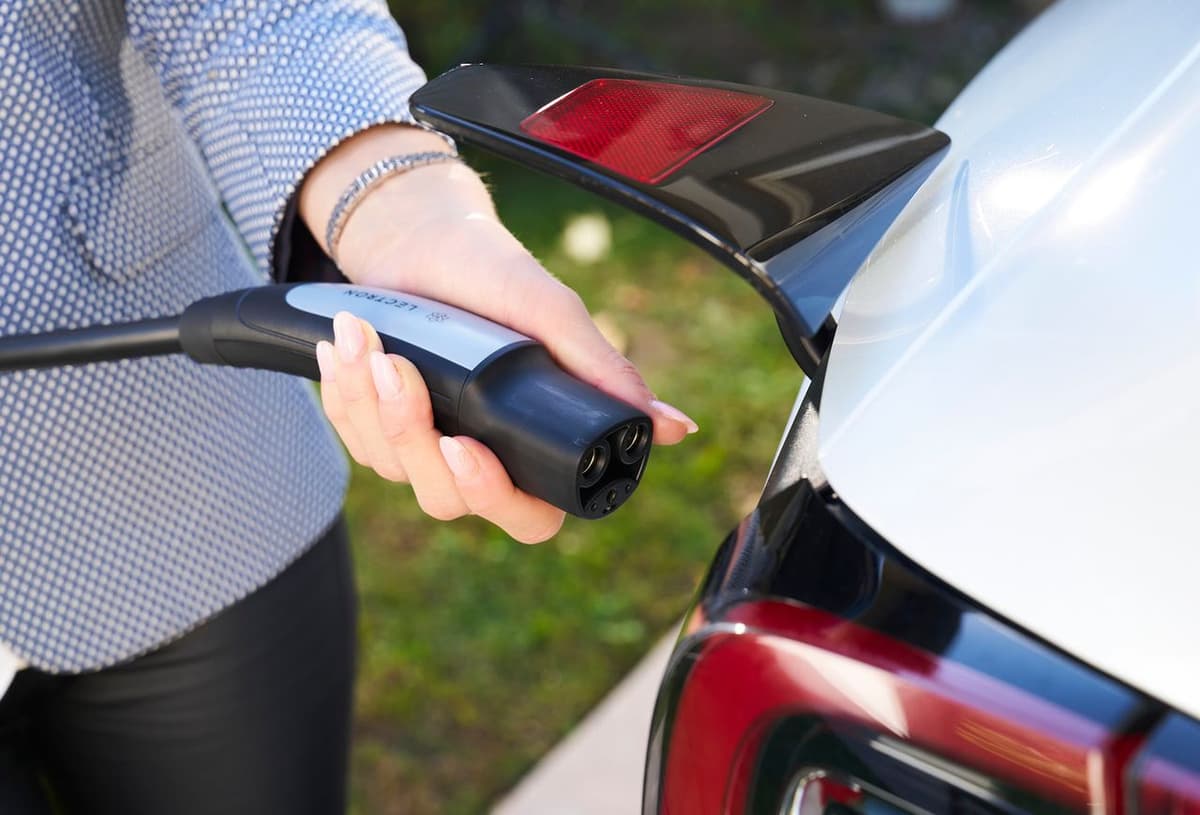
Modular, single-element testing on a high-mobile Shopify storefront, read separately by device.
Performance by area
Desktop Conversion Lift
+17%
bundle test · May 2026
Desktop Conversion Lift
+14%
US & Canada form · Aug 2026
Conversion Lift
+13%
collection page · Mar 2026
Mobile Conversion Lift
+11%
mobile PDP · Apr 2026
Modular, single-element testing on a high-mobile Shopify storefront, read separately by device.
Frequently Asked Questions
Lectron manufactures EV charging hardware: adapters, portable chargers and Level 2 charging stations. The company sells direct to consumers on Shopify at ev-lectron.com, through US retailers including Best Buy, Home Depot, Lowe’s, AutoZone and Advance Auto, and as an OEM supplier to major automakers.
Latest Work
SMRTFT
5.39x Blended ROAS Across Nearly Five Years
Google Ads + Meta Ads + PPC + SEO
Tib Bar Guy
360° Brand Revamp, with $4.5M+ Revenue Generated
Logo Redesign + Web Dev + SEO + PPC + Email Marketing
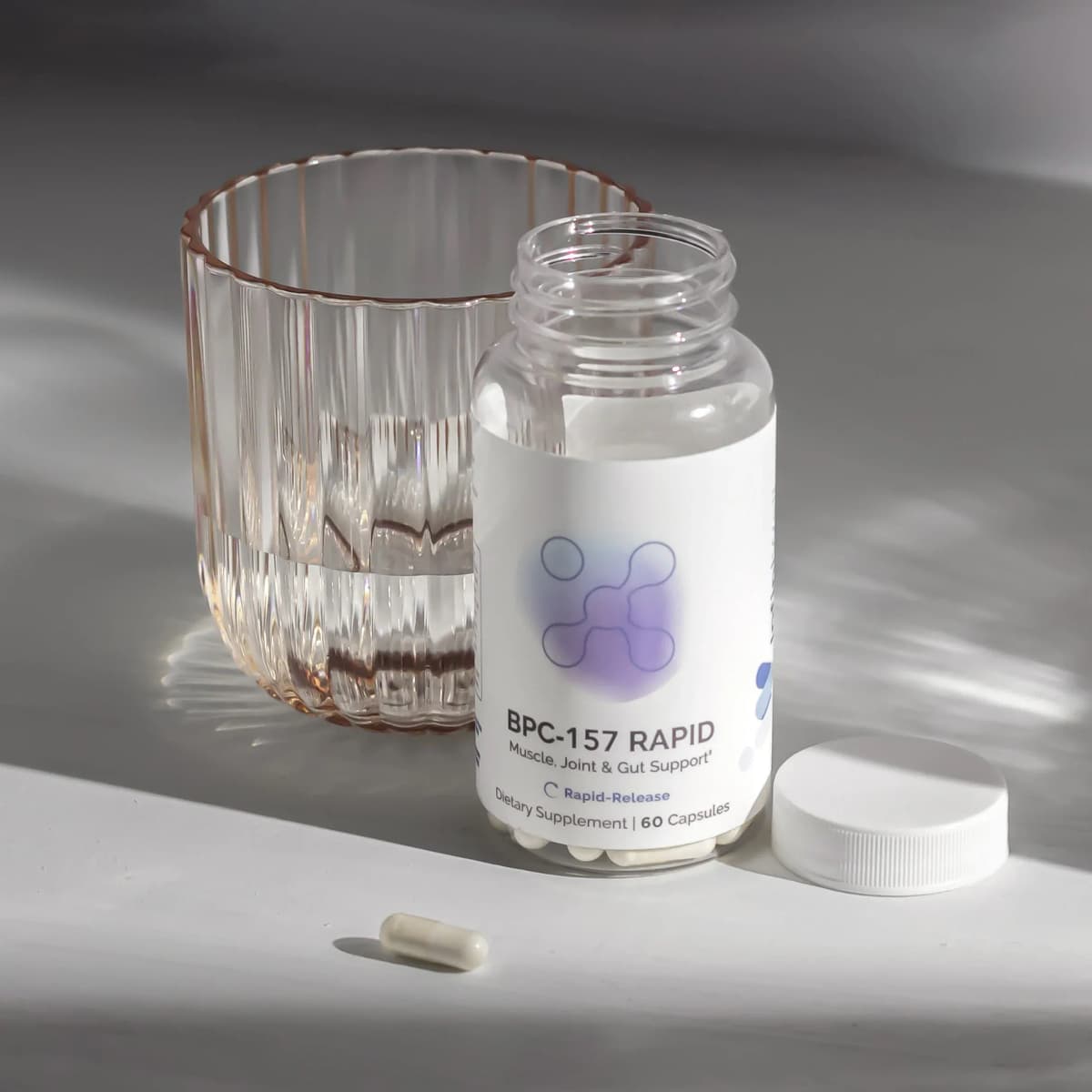
InfiniWell
Strategic SEO That Increased Rankings, Traffic, and Revenue
SEO

JPK Landscaping
Turning Local Search into a Consistent Acquisition Channel
SEO · Local SEO · Content Marketing · Link Building · Web Design

LACTECK
Scaling a Maternal Brand to a High Conversion Shopify Store
Logo Refresh + Website Development + Product Photography
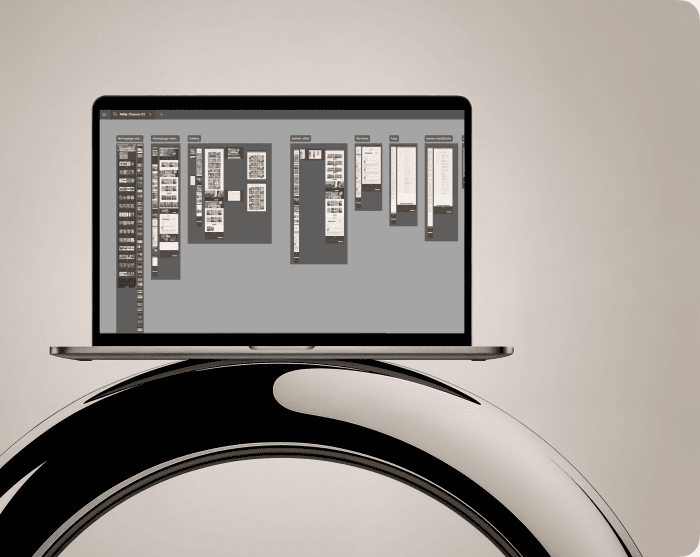
Reilly Chance Collection
Heritage Craftsmanship, Powered for E-commerce
Website Development
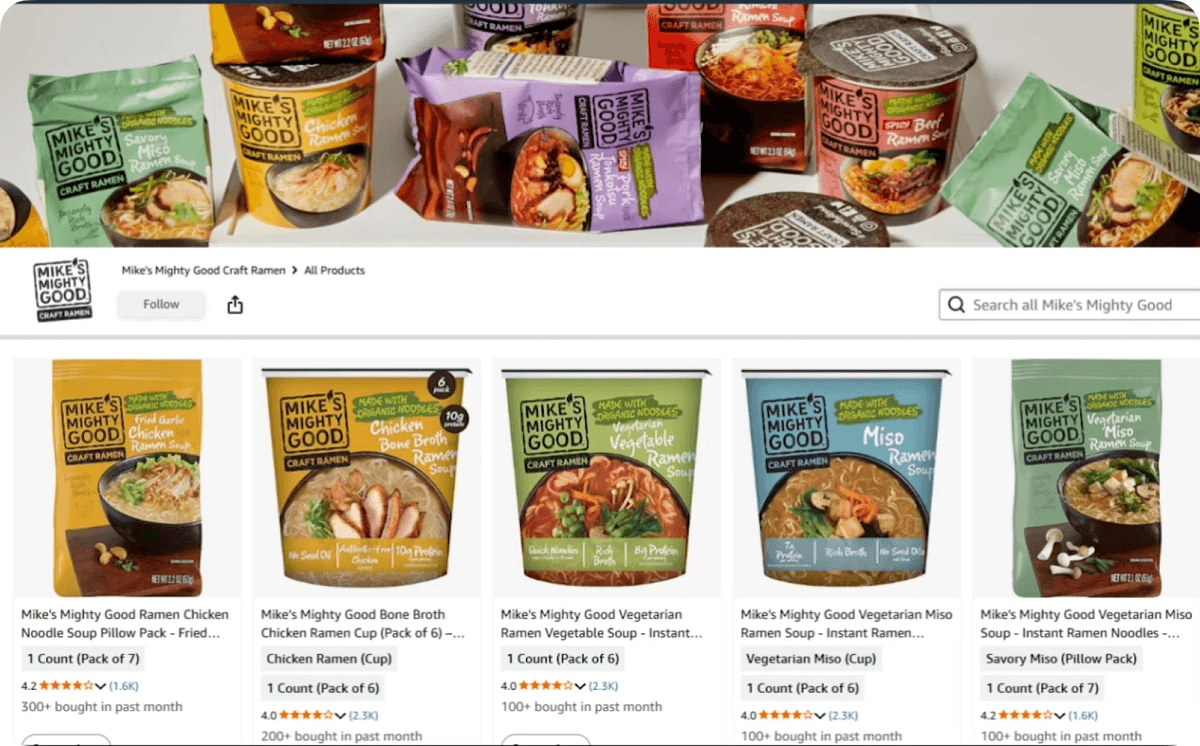
Mikes Mighty Goods
Restructure for compliance, clarity and conversion
Listing Optimization + SEO + Amazon Compliance
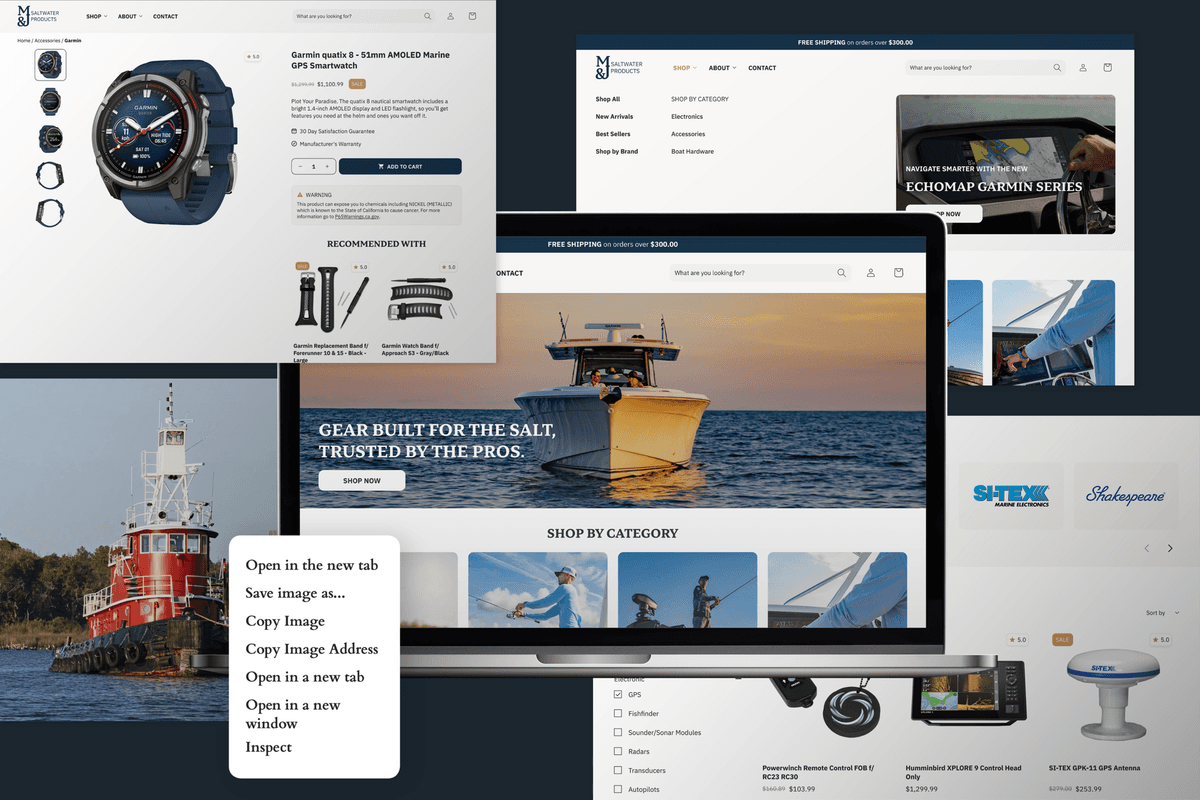
M&J Saltwater Products
A business kickstarter from the ground up with just a logo to start
Logo Redesign + Website Development
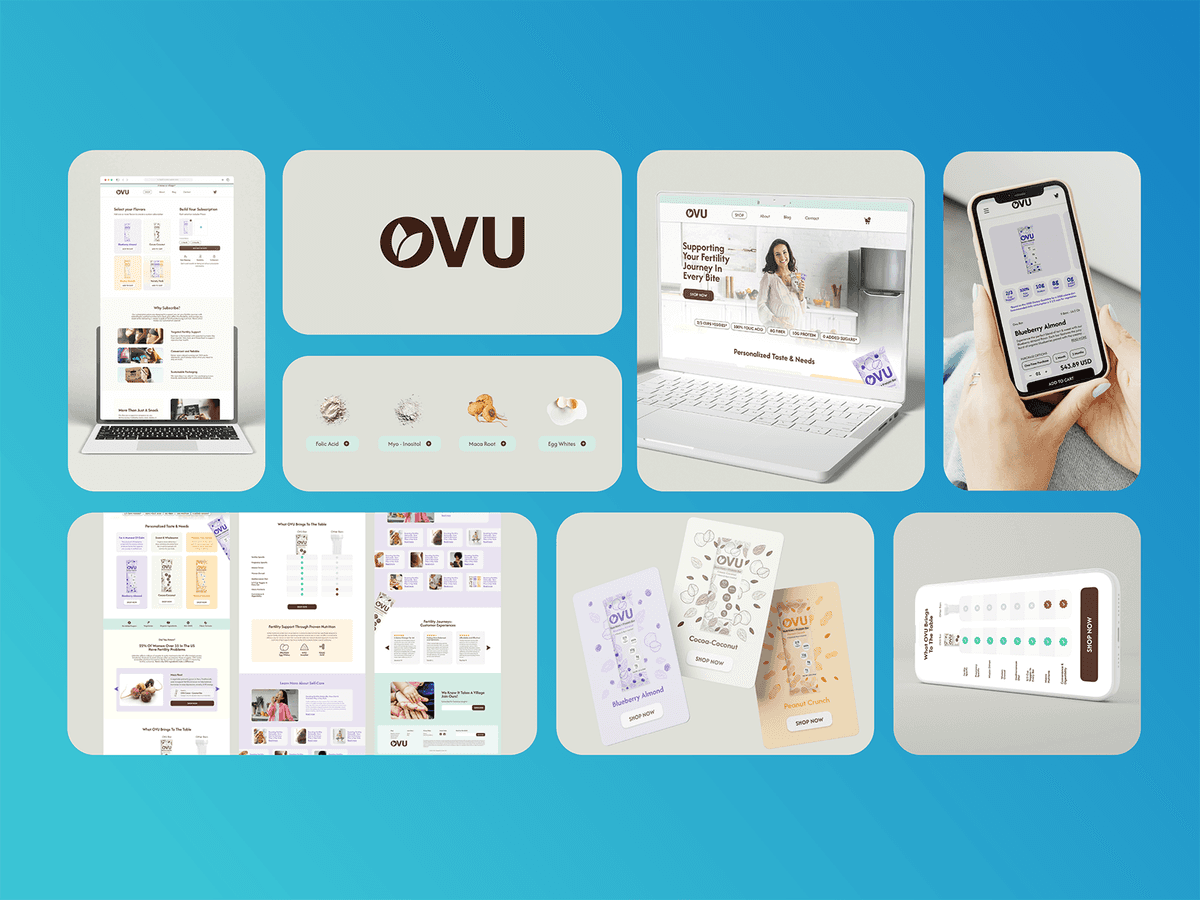
OVU
A business kickstart from the ground just with a logo
Logo Redesign + Website Development + SEO + PPC + Email Marketing
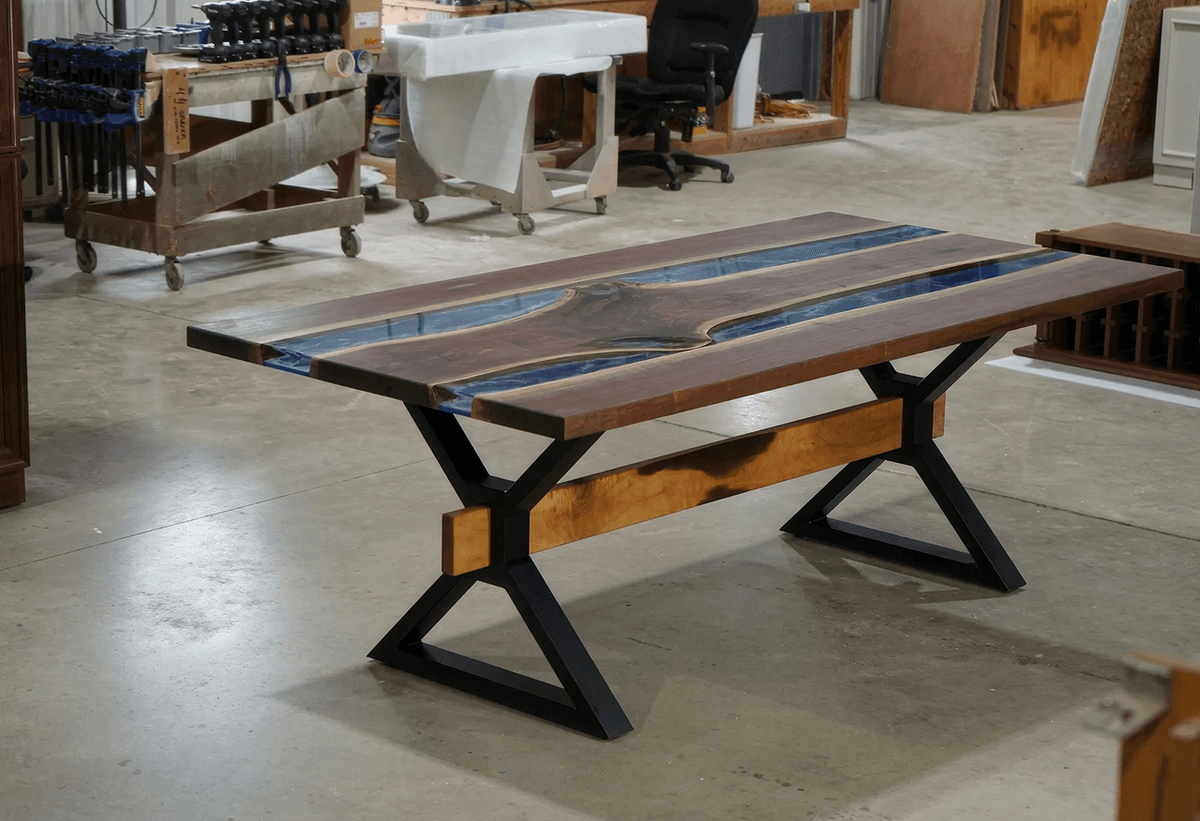
Graber Woodwork
How Graber Woodworks Scaled After Launching Its New Shopify Site
Logo Redesign + Website Redesign & Development

Bonjour Fête
Scaling a Premium Party Brand to 4.5x Monthly Revenue on Amazon
Amazon PPC Management, Listing Optimization, Conversion Rate Optimization (CRO)
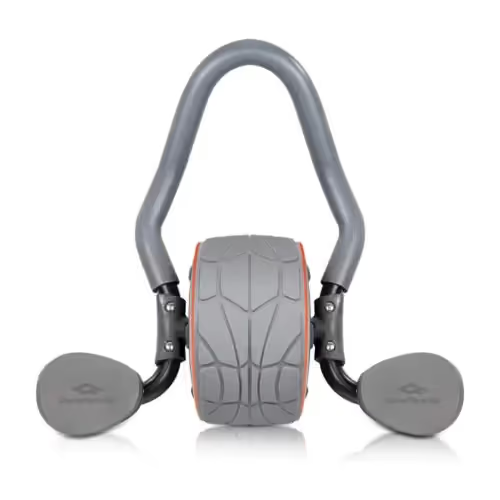
Core Master
Scaling Google Ads to Profitable Growth Across the Board
Paid Ads
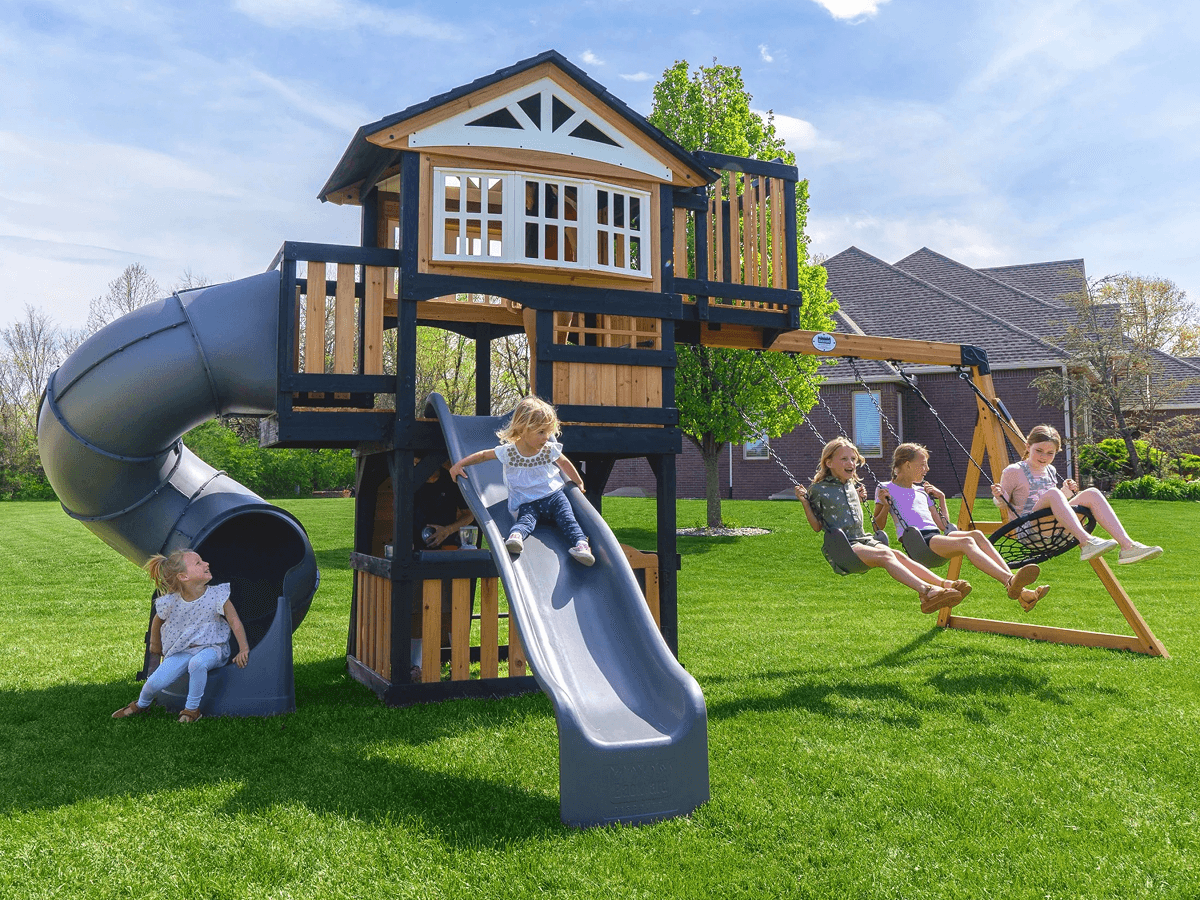
Recreations Outlet
Doubled Online Revenue by Selling the In-Store Experience
SEO + Paid Media + Email Marketing + Web Design + Web Dev + CRO + Social Media