Zesty Snackz
Sales More Than Doubled in the First 14 Days After Launch
Zesty Snackz wanted more than a new storefront: larger orders and a subscription program that could support repeat purchases. Lantern Sol rebuilt the Shopify store around a bundle builder, introduced four subscription tiers, and launched in three weeks. In the first 14 days after the July 24, 2026 launch, sales increased 124.8%, average order value increased 23.9%, and conversion rate rose from 5.07% to 5.70% compared with the previous 14 days.
Necessidades
Setor
"Loved working with Fran, the quality of work was beyond my expectations. Cannot wait for future projects with these guys!"
Resultados
Higher sales, larger orders, and stronger conversion in the first two weeks after launch, compared with the previous 14 days.
Sales
+124.8%
First 14 days after launch vs. previous 14 days
Average Order Value
+23.9%
Same 14-day comparison
Conversion Rate
+12.3%
Relative lift: 5.07% → 5.70%; same 14-day comparison
Who is Zesty Snackz?
Zesty Snackz sells freeze-dried sour candy and dried fruit directly to consumers at zestysnackz.com. Built on short-form video, the brand ships nationally across the United States and operates a physical storefront alongside its Shopify store. Roughly 90% of its store sessions come from mobile. Founder and CEO Brenten Szekely runs the business.
They found Lantern Sol through Shopify. In Brenten’s words, on July 17, 2026: “It was actually Shopify AI rep software that recommended you guys as a certified Shopify developer. Which I thought was pretty cool haha.”
Hear from the client
What was the challenge?
The founder’s goals were commercial: move average order value from his stated $26 kickoff baseline past $40, and introduce subscriptions that could support repeat purchases. The storefront needed to make it easier for customers to build a box and come back for their next order.
The theme was too old to build on. Zesty Snackz wanted a buying experience that matched its playful, video-led brand. The existing theme could not support that experience without first repairing pre-existing bugs, putting the short delivery window at risk.
There was no subscription program in place. The store needed more than an app installation: subscriptions had to work through product selection and checkout, with tools for customers to manage future deliveries themselves.
Product URLs and catalogue details needed attention. Duplicated products had mismatched handles, and SEO titles and descriptions were missing across much of the catalogue. Those issues needed to be addressed alongside the new storefront.
The deadline was fixed. Everything had to be ready before the July 25 launch event where the founder would announce a bass boat giveaway.
How did Lantern Sol approach it?
Build around the basket. We made the bundle builder the destination of the storefront, not simply another page in the navigation. Collection cards, product calls to action, and subscription messaging directed shoppers to one place where they could assemble a box. The experience was designed to encourage larger orders while keeping selection straightforward.
Make repeat purchasing part of the experience. We introduced four subscription tiers and carried the selected selling plan through to checkout. Customers could choose a one-time purchase instead, while subscribers gained tools to change their future deliveries without contacting the merchant.
Replace the foundation and work backwards from launch. We rebuilt on a fork of Shopify’s Horizon theme rather than spending the delivery window patching the old theme. Design approval, parallel development, preview-theme QA, and launch sequencing kept the build aligned with the event deadline.
What did we build?
The storefront. A modern Shopify build with a playful homepage, focused product pages, collection filters, branded reviews, and a cart drawer that distinguished subscription items from one-time purchases. Product selection and the pack-and-subscribe flow remained central to the buying experience.
The bundle builder. Four tiers, a three-bag minimum, an animated boat-fill progress visual, and a “Surprise Me” option that selected random in-stock flavors. Subscription was the default selection, with a one-time purchase toggle available and the selling plan carried through to checkout.
Subscriptions. Customers could swap flavors, change tiers, add one-time products to an upcoming shipment, pause or cancel, and choose between repeating their box or receiving a surprise selection each month.
The live counter. A homepage bite counter connected to order data added a brand-specific detail to the storefront. Its seeded starting value is not a measure of revenue or independently verified historical sales.
Store hygiene and on-page SEO. We corrected mismatched product handles and added 301 redirects, cleaned up product descriptions, filled missing SEO titles and descriptions, standardized catalogue fields, and resolved an inventory issue.
The creator program. The relationship expanded after launch into a creator-program build with applications, approvals, creator codes, and a public leaderboard, alongside ongoing email and SMS marketing. These follow-on engagements are part of the broader relationship, not evidence that those services caused the initial launch-period results.
What were the results?
In the first 14 days, sales more than doubled. Compared with the previous 14 days, sales increased 124.8%, orders increased 91.1%, and average order value increased 23.9%. Conversion rate rose from 5.07% to 5.70%, a 12.3% relative lift. The launch-period sales increase coincided with both more orders and larger baskets.
At 30 days, average order value remained higher. Average order value was up 13.8% over the comparison period, while conversion rate was effectively unchanged at 6.50% versus 6.52%.
At 60 days, subscription adoption and higher average order value supported the repeat-purchase strategy. Shopify data recorded 2,562 new subscriptions in the first 60 days after launch, compared with one in the prior 60 days. Average order value was 16.5% higher over the 60-day comparison. New subscriptions are not the same as active subscribers or a verified recurring-revenue figure.
The conversion lift was a launch-period result, not a sustained 60-day claim. Conversion rate was lower over the longer window. A larger share of lower-converting paid traffic was part of that picture, although organic and direct conversion also declined. The launch event, giveaway, and changing traffic mix are relevant context: these before-and-after results do not isolate the redesign’s contribution from other factors.
The launch date held. The rebuilt store went live on July 24, 2026, one day before the event, after a three-week build. Zesty Snackz subsequently rated Lantern Sol 5 out of 5 for communication and quality of work in its Shopify Partners review. The relationship expanded into ongoing email and SMS marketing and the creator program.
A bundle-first Shopify storefront rebuilt in three weeks and launched one day before a fixed event deadline.
Desempenho por área
PAGE DESIGNS
7
DEV BUILDS
11
WEEKS TO LIVE
3
DAY LAUNCH BUFFER
1
A bundle-first Shopify storefront rebuilt in three weeks and launched one day before a fixed event deadline.
Perguntas Frequentes
Zesty Snackz is a direct-to-consumer snack brand selling freeze-dried sour candy and dried fruit at zestysnackz.com. The company runs on Shopify, ships nationally in the United States, and operates a physical storefront alongside its online store. Roughly 90% of its store sessions come from mobile.
Trabalhos Recentes

SMRTFT
5.39x Blended ROAS Across Nearly Five Years
Google Ads + Meta Ads + PPC + SEO
InfiniWell
Strategic SEO That Increased Rankings, Traffic, and Revenue
SEO
JPK Landscaping
How a 40-Year Family Landscaper Traded Paid Ads for Organic Growth
SEO · Local SEO · Content Marketing · Link Building · Web Design
LACTECK
Scaling a Maternal Brand to a High Conversion Shopify Store
Logo Refresh + Website Development + Product Photography

Reilly Chance Collection
Heritage Craftsmanship, Powered for E-commerce
Website Development
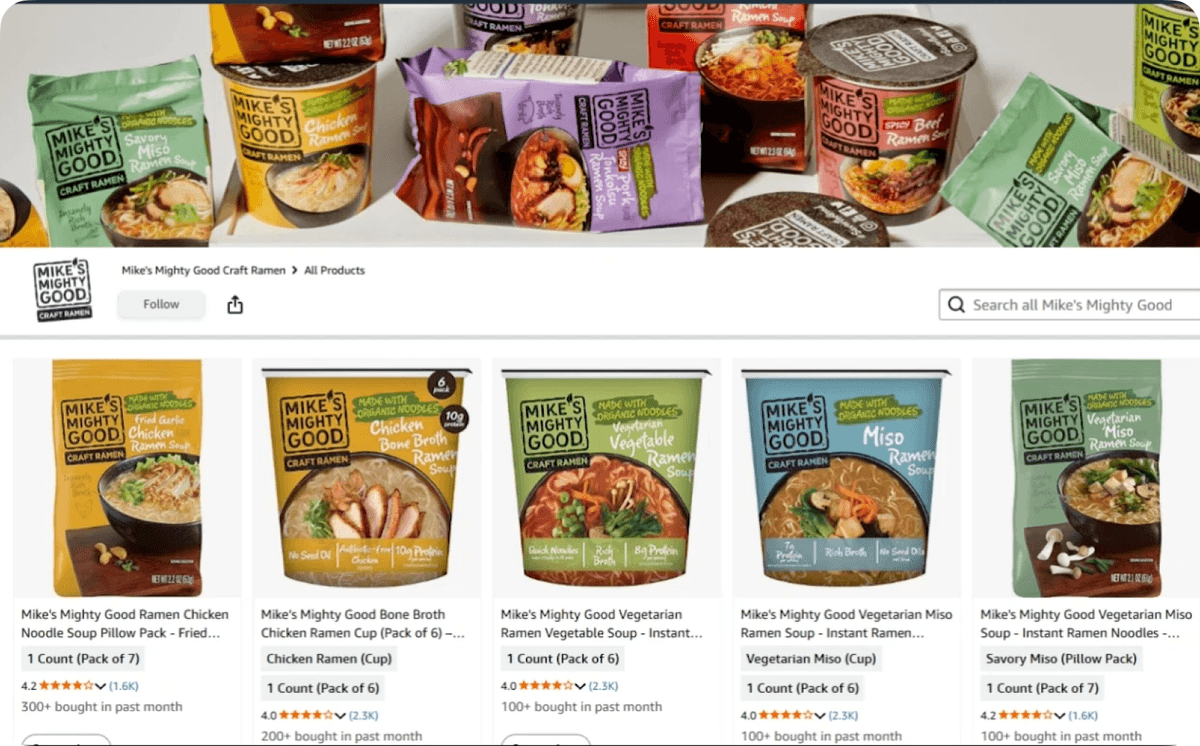
Mikes Mighty Goods
Restructure for compliance, clarity and conversion
Listing Optimization + SEO + Amazon Compliance
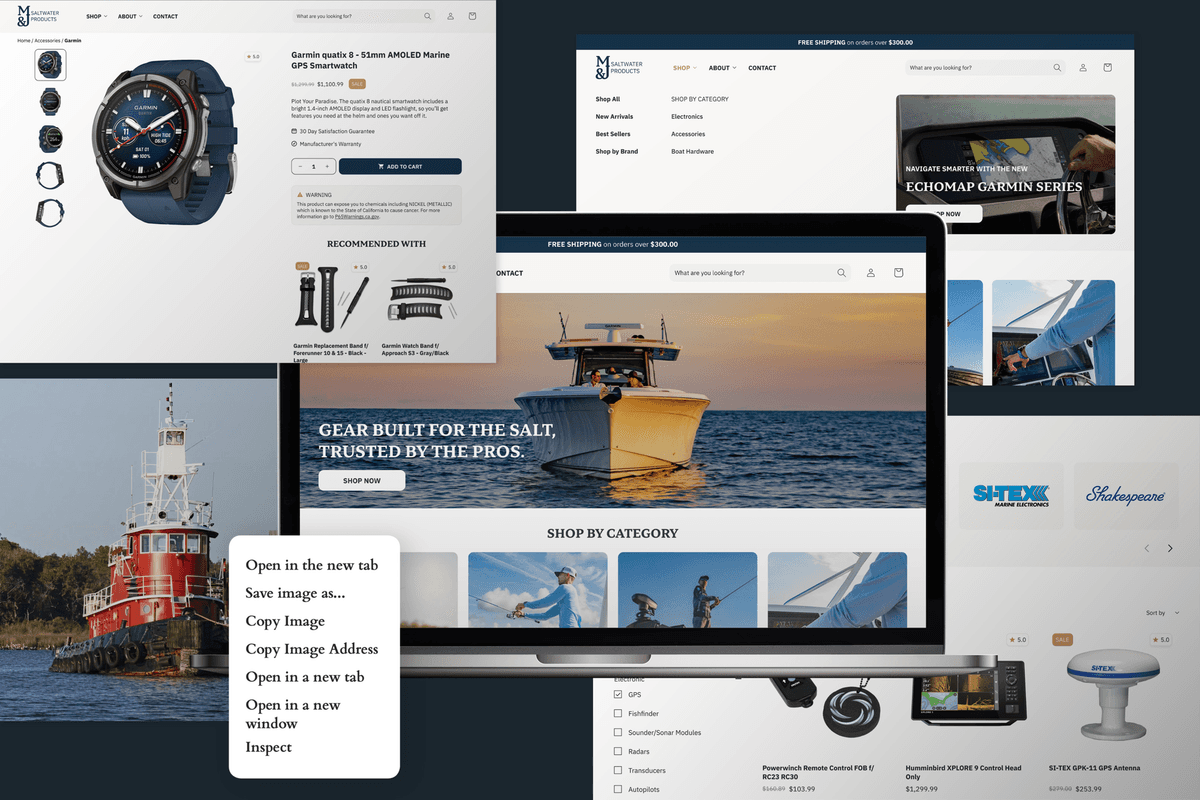
M&J Saltwater Products
A business kickstarter from the ground up with just a logo to start
Logo Redesign + Website Development
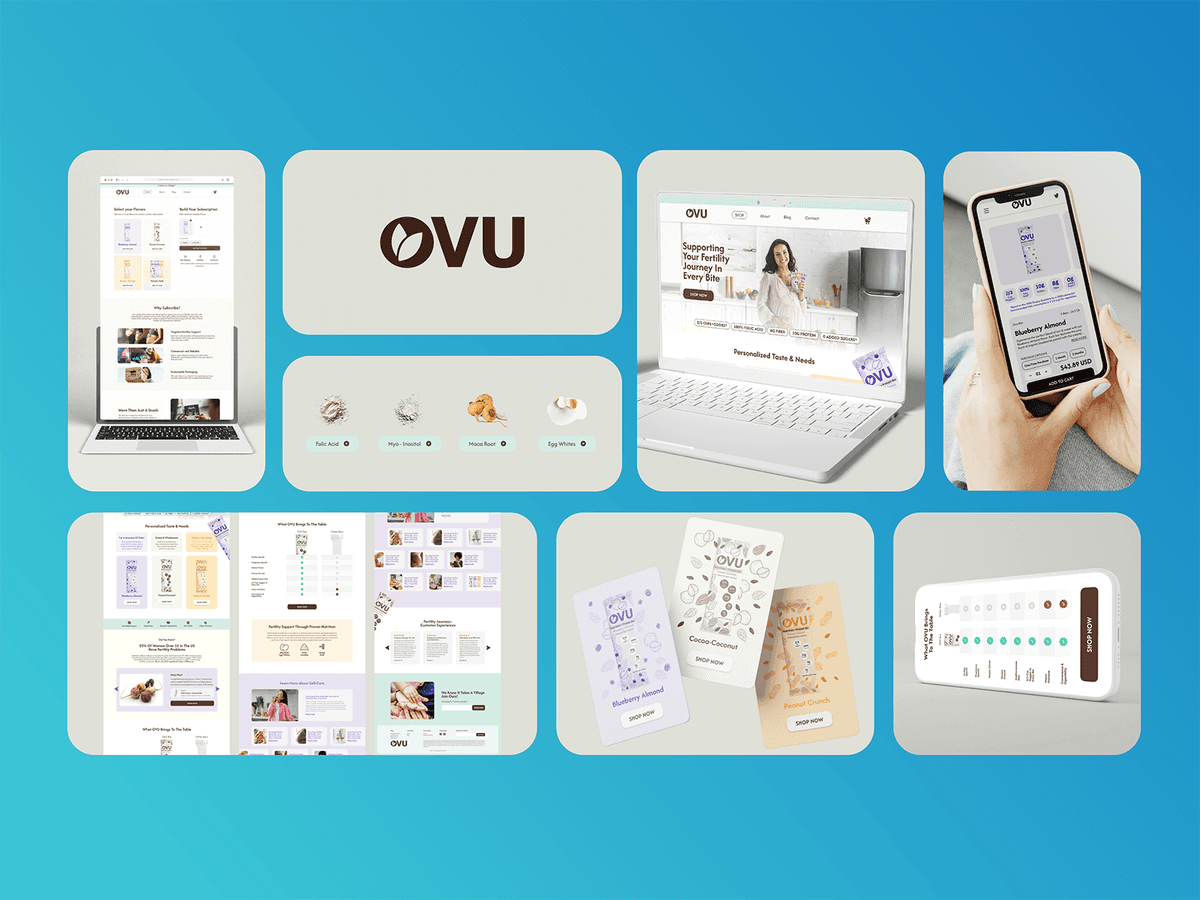
OVU
A business kickstart from the ground just with a logo
Logo Redesign + Website Development + SEO + PPC + Email Marketing
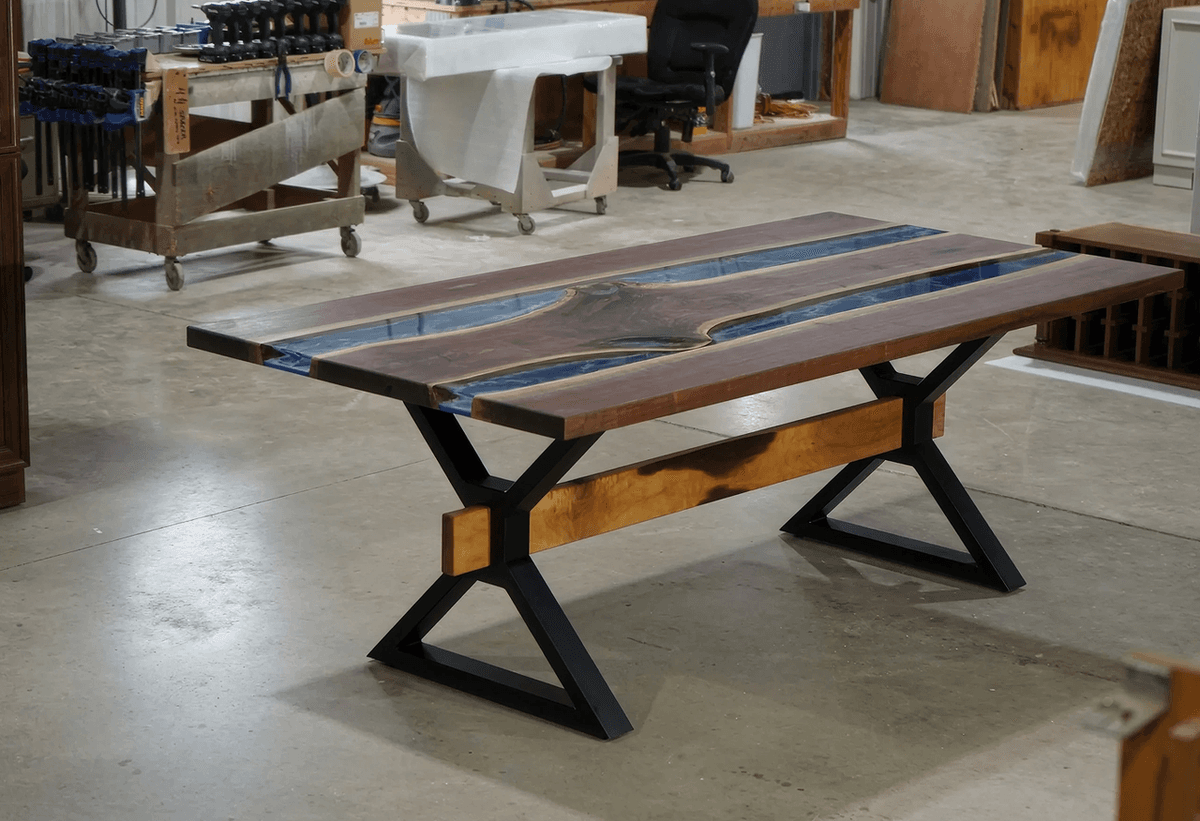
Graber Woodwork
How Graber Woodworks Scaled After Launching Its New Shopify Site
Logo Redesign + Website Redesign & Development

Bonjour Fête
Scaling a Premium Party Brand to 4.5x Monthly Revenue on Amazon
Amazon PPC Management, Listing Optimization, Conversion Rate Optimization (CRO)
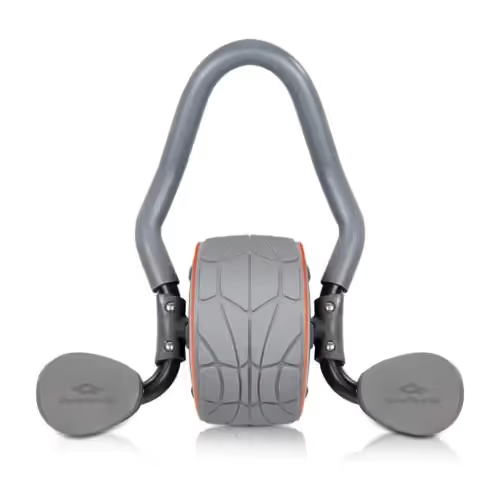
Core Master
Scaling Google Ads to Profitable Growth Across the Board
Paid Ads

Dynamat
A WordPress + Shopify Merge With Zero Traffic Loss
Web Design · Web Dev · Shopify Migration · SEO

Lectron
Modular A/B Testing for a Shopify EV Brand
CRO · A/B Testing · Shopify Design & Dev · International Expansion

APEX Fitness
Through a Full Rebrand & Shopify Domain Migration
SEO · Email · SMS · Paid Media · CRO · Web Dev

Creative Arcades
67% Growth Across Five Channels in One Year
Paid Media · SEO · Amazon · CRO · Email Marketing
Recreations Outlet
Doubled Online Revenue by Selling the In-Store Experience
SEO + Paid Media + Email Marketing + Web Design + Web Dev + CRO + Social Media